

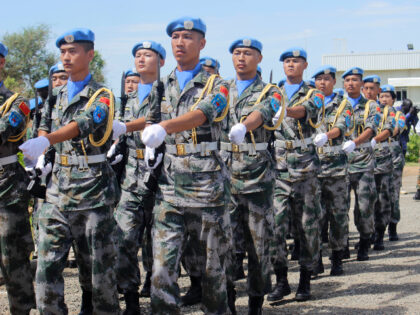
U.S. lawmakers are raising alarms that Beijing is embedding intelligence operatives inside U.N. peacekeeping contingents, turning blue-helmet missions into low-cost, high-yield espionage platforms. The accusation is hardly surprising once you remember that the People’s Liberation Army has spent the last decade expanding its overseas footprint under the banner of “international cooperation.” What looks like humanitarian service on paper becomes, in practice, a chance to map ports, airfields, and supply routes while collecting biometric data on foreign troops and local populations. For the Second Amendment community, the lesson is straightforward: when a hostile power learns how to weaponize even the most anodyne multilateral institutions, the only reliable backstop is an armed, informed citizenry that refuses to outsource its security to paper promises or foreign bureaucrats.
The timing matters. As Washington debates modest peacetime drawdowns and the U.N. pushes “small arms control” initiatives that read like preambles to eventual civilian disarmament schemes, China is simultaneously professionalizing its peacekeeper-spies and modernizing the PLA for high-intensity conflict. That two-track approach—smile for the cameras in New York, sharpen knives at home—ought to remind American gun owners why the Founders placed the ultimate safeguard in the hands of the people rather than in treaties or blue-helmeted “stabilization forces.” If Congress is genuinely worried about PLA espionage, it should start by ensuring that law-abiding citizens retain the tools and training to deter any adventurism long before a single foreign peacekeeper sets foot on U.S. soil.


