

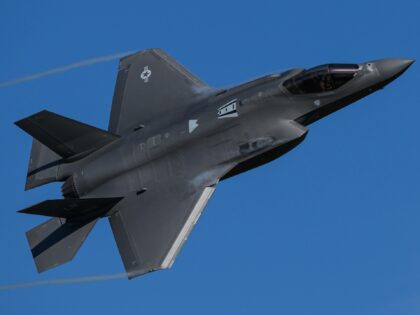
The U.S. decision to hammer Iranian missile batteries and mine-laying craft in the Strait of Hormuz is a textbook reminder that freedom of navigation ultimately rests on credible firepower. When Washington reaches for Tomahawks and carrier air wings instead of another round of sanctions, it underscores a hard truth the Second Amendment community has long understood: rights are only as secure as the means to defend them. In this case, the “means” are long-range precision munitions and the industrial base that keeps replenishing them—capabilities that exist because a free people insisted on a robust national defense rather than hoping diplomacy alone would suffice.
For American gun owners, the strike carries a subtler but no less important message about deterrence and supply chains. Iran’s mining threat was aimed squarely at the global oil artery that feeds everything from polymer plants to primer production; any prolonged closure would ripple straight into ammunition shortages and price spikes at the local gun shop. By neutralizing those vessels before they could sow the strait, the U.S. preserved not only tanker traffic but also the steady flow of components that keep civilian magazines full. It’s a real-world demonstration that the same constitutional logic applies at both the individual and national level: an armed populace and an armed republic are two sides of the same coin.
Looking ahead, the episode should stiffen resolve against domestic efforts to restrict magazine capacity, semi-automatic rifles, or the very defense-industrial tools that make power projection possible. If a single rogue regime can threaten energy markets with a few dozen mines, then an American citizen’s ability to own a standard-capacity rifle or stockpile components is not a hobby—it’s a hedge against instability that government alone cannot fully insure. The Strait of Hormuz may be six thousand miles away, but the principle travels: peace through strength begins with an armed and prepared citizenry.


