

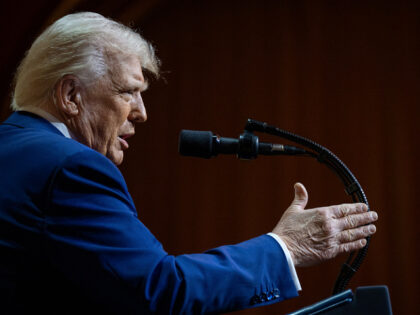
The latest round of U.S. strikes on Iranian targets underscores a familiar pattern: when diplomacy stalls and adversaries test American resolve, Washington reaches for the only language Tehran seems to understand—precision firepower. President Trump’s blunt warning that Iran has been “tapping us along” in talks signals the end of the usual slow-walk-and-stall routine, and the kinetic response that followed shows the administration is willing to reset the deterrence clock with real consequences rather than another round of sanctions theater. For the firearms community, this moment is a reminder that credible hard power still rests on the shoulders of a well-armed citizenry; every time the federal government demonstrates it can project force abroad, it also highlights why an armed populace capable of resisting tyranny at home remains the ultimate backstop against any future overreach.
What makes this development especially relevant to Second Amendment advocates is the contrast between an administration that trusts citizens with modern defensive tools and the long-standing efforts by Iran-backed proxies and their domestic sympathizers to portray armed Americans as the real threat. While the Pentagon calibrates Tomahawk and drone packages to degrade Iranian command nodes, the same ideological currents that cheer for gun control at home often downplay or excuse Tehran’s nuclear ambitions and regional aggression. The strikes therefore serve as both a tactical message to mullahs and a strategic reminder that rights unexercised—whether the right to keep and bear arms or the right to demand accountability from foreign policy elites—can be negotiated away in back rooms.
Looking ahead, the 2A community should watch how this renewed pressure on Iran affects domestic policy debates. A president willing to use force to protect U.S. interests abroad is less likely to view armed citizens as the obstacle to “global norms” and more likely to see them as part of the same continuum of strength that keeps both foreign despots and domestic bureaucrats in check. Stockpiling ammunition, training with modern platforms, and pushing back against incremental restrictions all become logical extensions of supporting a foreign policy that prizes deterrence over appeasement. In short, when the United States stops treating negotiations as an endless concession loop, it reinforces the principle that rights are best secured by those prepared to defend them—whether on distant battlefields or at the ballot box and gun safe here at home.


