

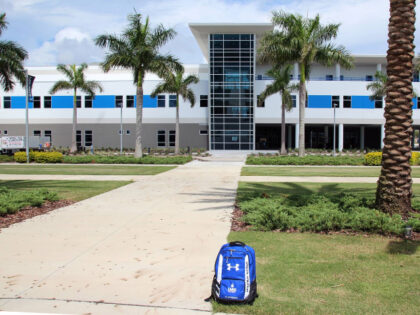
The story of a CJNG kingpin’s child attending an elite Florida prep school while his father rots in federal prison is more than tabloid fodder—it’s a window into how narco-dollars launder themselves into respectability. The cartel’s cash, extracted from the same fentanyl and methamphetamine pipelines that have killed tens of thousands of Americans, is now underwriting private-school tuitions, gated-community mortgages, and the kind of social camouflage that lets the next generation operate in plain sight. For the 2A community, the lesson is blunt: the same networks flooding our streets with poison are also buying influence in the institutions that shape policy and culture, and they have zero interest in an armed, law-abiding populace that can actually resist them.
That contrast matters. While the cartel’s U.S.-based relatives enjoy the protections of American civil society, Mexican citizens living under CJNG rule face daily executions, forced recruitment, and the systematic disarmament that leaves them defenseless. The Biden-era push to further restrict American gun owners looks especially tone-deaf against this backdrop; the people who actually need firearms—ranchers along the border, small-town cops outgunned by cartel scouts—are told to rely on a federal government that can’t even keep a cartel prince out of a Florida boarding school. Meanwhile, the same DOJ that secured the father’s life sentence seems oddly uninterested in tracing how the tuition checks were written or whether the school itself has become an unwitting node in a money-laundering web.
The deeper implication is strategic. Cartels don’t just sell drugs; they invest in legitimacy. Every tuition payment, every real-estate purchase, every campaign donation that can be routed through cutouts buys a little more insulation from scrutiny. An armed citizenry that understands this dynamic isn’t being paranoid—it’s recognizing that the threat isn’t only the sicario with the gold-plated AK, but the accountant in Boca who signs the tuition checks. The 2A fight, then, isn’t merely about the right to bear arms; it’s about preserving the last hard power that stands between communities and the slow-motion colonization of American institutions by organizations that view the rule of law as optional.


