

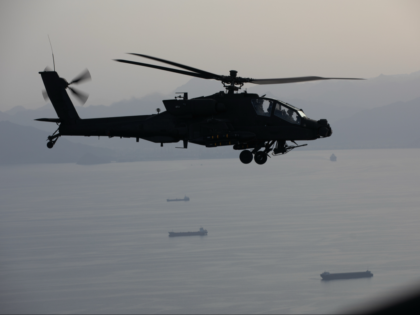
In the tense waters of the Strait of Hormuz, where roughly one-fifth of the world’s oil supply transits daily, the safe recovery of two Apache pilots after a crash is more than a feel-good footnote—it’s a reminder that American rotary-wing aviation still sets the standard even when things go wrong. The AH-64’s twin T700 engines, composite rotor blades, and redundant flight controls are the direct descendants of lessons learned in Vietnam and refined through decades of private-sector innovation that only a robust domestic firearms and defense industry can sustain. When the President can stand before cameras and report “fine” aviators instead of casualties, it underscores how the same constitutional framework that protects an individual’s right to keep and bear arms also protects the industrial base that equips those arms with night-vision targeting, helmet-mounted displays, and armor-piercing 30 mm rounds—capabilities that translate from the battlefield straight back to civilian sporting and self-defense markets.
For the 2A community the takeaway is straightforward: every time a government program fields reliable, battle-proven hardware, it validates the decentralized, rights-based model that keeps American manufacturing sharp. Companies that produce everything from match-grade barrels to advanced optics do not spring from thin air; they thrive because citizens can own, train with, and innovate around the same technologies the military refines under real-world stress. A helicopter that survives a ditching in the Persian Gulf is proof the ecosystem works—pilots walk away, taxpayers see results, and the same supply chain that keeps Apaches flying keeps AR-15s accurate and 1911s dependable. Undermine that ecosystem with overreaching regulation and you don’t just threaten hobbyists; you erode the very edge that lets two crew members radio “we’re fine” after an unexpected plunge into contested waters.
Looking ahead, the episode quietly highlights why vigilance on Capitol Hill matters. Strait of Hormuz incidents have a habit of prompting new rules of engagement, fresh funding debates, and, inevitably, attempts to restrict the very civilian technologies that cross-pollinate with military systems. The 2A community’s job is to keep reminding lawmakers that the same Bill of Rights clause enabling an armed populace also underwrites the industrial resilience displayed over those oil-choked straits. When pilots are recovered unharmed, it isn’t luck—it’s the dividend paid by a culture that trusts citizens with both firearms and the freedom to build the machines that protect a nation.


