

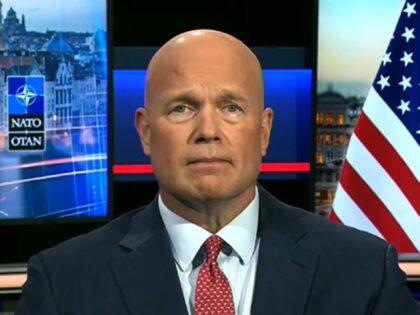
The Biden administration’s decision to hold back a full-bore sanctions package on Iran until “you don’t maximize everything” at the outset reveals a deliberate, incrementalist approach to foreign policy—one that has direct consequences for the Second Amendment community. By treating sanctions as a dial to be turned rather than a hammer to be dropped, the administration signaled to Tehran that the United States is willing to negotiate with itself, extending the timeline for any real economic pressure. That hesitation matters because Iran is the world’s leading state sponsor of terrorism, and its proxies—from Hezbollah to the Houthis—rely on weapons pipelines that ultimately threaten U.S. partners and, by extension, the global balance of power that keeps American gun owners free from the specter of international gun-control regimes pushed through the United Nations.
For 2A advocates, the lesson is straightforward: when sanctions are rationed instead of maximized, malign actors have more time and money to arm themselves and to fund the NGOs and foreign diplomats who show up at Arms Trade Treaty conferences demanding restrictions on civilian firearms. Every month that Iran’s oil revenue streams are not fully choked is another month that the mullahs can underwrite militias whose small-arms proliferation later becomes the pretext for “humanitarian” gun-control resolutions. The Ambassador’s candid admission that Washington prefers to “save some powder” for later negotiations is therefore not just a diplomatic nicety; it is a reminder that strategic ambiguity abroad can translate into political vulnerability at home for gun owners who already face coordinated attacks in New York, Geneva, and Brussels.
The practical takeaway is vigilance. Lawmakers who posture as tough on Iran while simultaneously courting globalist gun-control initiatives need to be reminded that strength abroad and liberty at home are inseparable. If the administration truly believes in phased pressure, the 2A community should insist that the final, maximum phase includes not only oil-and-gas sanctions but also secondary sanctions on any financial institution that enables the flow of small arms to Iranian proxies. Otherwise, the same incrementalism that delayed economic pain for Tehran will simply postpone the day when American gun owners can stop looking over their shoulders at the next U.N. gun-grab dressed up as “conflict prevention.”


