

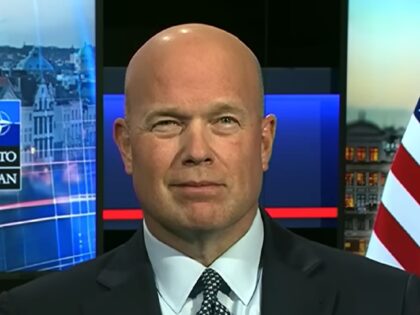
U.S. Ambassador to NATO Matthew Whitaker’s blunt assessment that Iran “needs to get their act together” and that the IRGC and Tehran’s political class must finally “speak with one voice” is more than diplomatic theater—it’s a flashing red light for anyone who tracks how rogue regimes arm themselves and their proxies. When the world’s most active state sponsor of terrorism can’t even coordinate its own messaging, the risk that weapons, technology, or cash will slip through the cracks rises sharply. For the Second Amendment community, that matters because every unsecured Iranian missile component or drone motor that finds its way to Hezbollah or the Houthis is another data point in the global small-arms and light-weapons proliferation pipeline that eventually circles back to arguments for restricting American gun owners.
The timing is equally telling. Whitaker’s claim that Washington and its allies are “closer than ever to a deal” suggests the administration may be preparing to trade sanctions relief for yet another unverifiable nuclear promise. History shows that such bargains have a habit of freeing up Iranian funds that later bankroll militias from Baghdad to Beirut. Those militias, in turn, become the proving ground for increasingly sophisticated small arms and improvised munitions—exactly the kind of battlefield evolution that gun-control advocates later cite when they push to ban “weapons of war” stateside. In other words, a weak deal abroad can become the rhetorical ammunition for restrictions at home.
The takeaway for 2A advocates is straightforward: pay attention to the fine print of any emerging Iran agreement. If the text lacks iron-clad verification, end-user monitoring, and real consequences for IRGC weapons shipments, the only lasting safeguard is a domestically robust firearms culture that refuses to let foreign-policy failures become the pretext for new domestic controls.


