

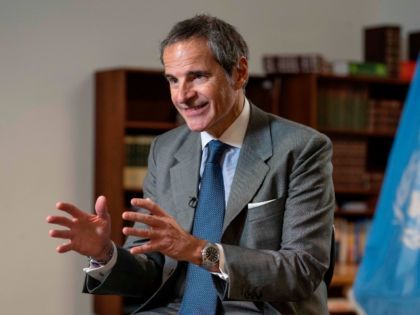
Rafael Grossi’s blunt admission that the IAEA—and by extension the broader U.N. apparatus—has been “absent” from the planet’s most dangerous flashpoints is more than bureaucratic self-criticism; it is an open confession that the post-war system of collective security is breaking down. When the very agency charged with keeping nuclear material out of the hands of rogue states concedes it is sidelined in Ukraine, the Middle East, and the Taiwan Strait, the message to sovereign nations is unmistakable: if you want credible deterrence, you cannot outsource it to Geneva or New York. For the Second Amendment community this is not an abstract diplomatic footnote; it is fresh evidence that treaties and international bureaucracies offer no substitute for an armed citizenry and a Constitution that keeps the ultimate power of defense in the hands of the people rather than in the briefcases of diplomats.
The practical implication is already visible in the renewed interest among Eastern European states in shortening their own decision-making chains on everything from small arms to civil-defense stockpiles. If the IAEA cannot even guarantee inspections inside an active war zone, then arguments that “international norms” will protect free societies from either conventional invasion or nuclear blackmail ring hollow. American gun owners have long understood this instinctively; the right to keep and bear arms exists precisely because history shows that distant institutions evaporate the moment real power is contested. Grossi’s candor simply supplies new talking points for why that right must remain robust, unapologetic, and beyond the reach of U.N. working groups.
At a deeper level, the episode underscores a widening gap between the paper guarantees of multilateralism and the hard realities of 21st-century conflict. As more nations quietly expand domestic arms-manufacturing capacity and loosen restrictions on private ownership, the 2A community can point to Grossi’s remarks as proof that self-reliance is not paranoia—it is prudent adaptation to a world in which the referees have left the field.


