

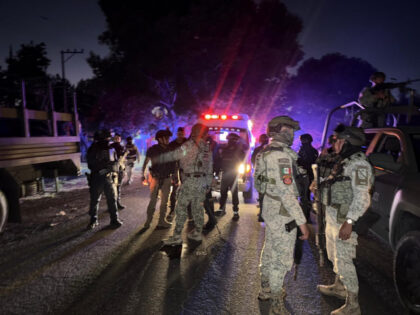
Two Mexican nationals tied to the Carteles Unidos network—long notorious for dressing up narco violence as “community self-defense”—just picked up federal terrorism indictments on top of the usual drug-trafficking counts. The move is more than prosecutorial theater; it signals that Washington is finally willing to label certain cartel factions the same way it tags foreign terror groups, which carries heavier sentencing, broader asset seizures, and easier cross-border cooperation. For the armed citizen, the takeaway is blunt: when governments outsource security to ideologically flexible militias, the firearms those groups wield rarely stay pointed only at rival criminals; eventually the same rifles and tactics migrate north or get copied by street gangs flush with cartel cash.
That migration matters because Carteles Unidos and its copycats already operate sophisticated smuggling corridors that move both narcotics and firearms in both directions. Every time a lieutenant like the two now under indictment slips back into Michoacán or Guerrero under cartel protection, the organization keeps its institutional knowledge intact—knowledge that includes intimate familiarity with American-made semi-automatics, night-vision gear, and the legal gray zones that let straw purchasers operate. The 2A community therefore has a direct stake in seeing these indictments stick: disrupting the command layer slows the feedback loop that turns U.S. gun stores into cartel armories and, just as importantly, keeps the rhetorical battlefield from being ceded to those who would paint every defensive gun owner with the same brush used on narco “autodefensas.”
Strategically, the terrorism designation also changes the information war. Once a group is officially a terrorist enterprise, footage of its members posing with AR-15s is no longer dismissed as “regional vigilantism”; it becomes evidence of ideological violence that can be shown to lawmakers weighing magazine bans or “assault weapon” restrictions. Law-abiding carriers who understand this dynamic can push back with a clearer message: the real pipeline of military-grade hardware runs through corrupt officials and cartel middlemen, not through the Federal Firearms Licensee on Main Street. Keeping that distinction sharp is how the 2A survives the next round of cartel-driven headlines.


