

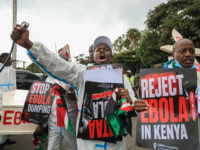
In the Kenyan town of Eldoret, locals took to the streets to block what they saw as an American-imposed Ebola quarantine site, and the clash left two dead and several wounded. The flashpoint wasn’t just fear of the virus; it was the perception that a foreign power was planting a high-security medical fortress on sovereign soil without consent, complete with armed guards and restricted zones. For Second Amendment advocates watching from afar, the episode is a textbook reminder that when citizens lack both the legal right and the practical means to keep and bear arms, governments—foreign or domestic—can impose sweeping public-health edicts by force and face little organized resistance.
The deeper implication is that the same logic applies at home: an armed populace changes the cost-benefit calculation for any authority tempted to cordon off neighborhoods or seize property under emergency pretexts. Kenya’s strict gun laws left protesters armed only with stones and placards; had an armed citizenry existed, the calculus of both the demonstrators and the security forces might have shifted toward negotiation rather than lethal force. U.S. gun owners should therefore treat every overseas story of citizens overpowered by state power as a cautionary tale, reinforcing why the right to keep and bear arms must remain absolute rather than subject to the next “crisis” redefinition.
Ultimately, the Kenyan deaths underscore a universal truth the 2A community has long argued: disarmament does not equal safety; it simply transfers the monopoly on force to whoever holds the badges and the guns. Whether the threat is a pandemic checkpoint or a neighborhood lockdown, an unarmed population is left negotiating with authorities who face no reciprocal risk. Preserving the tools of self-defense is therefore not merely a cultural preference—it is the structural safeguard that keeps distant capitals from turning local streets into free-fire zones under the banner of public health.


