

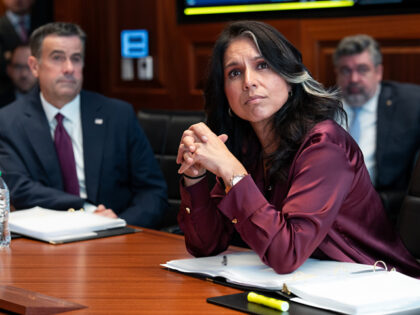
Tulsi Gabbard’s final move as Director of National Intelligence isn’t just another bureaucratic footnote—it’s a direct shot across the bow of the surveillance state that has long treated the Fourth Amendment like an optional guideline. By pushing to declassify a FISA Court opinion on how agencies are still end-running reforms meant to protect Americans’ communications, Gabbard is exposing the same machinery that has historically been weaponized against political opponents, journalists, and, yes, law-abiding gun owners. For the 2A community, this matters because the same warrantless or loosely warranted queries that vacuum up texts, emails, and location data can just as easily flag someone who bought a rifle, joined a shooting club, or posted about constitutional carry. Once that data lands in the hands of agencies already hostile to private firearm ownership, it becomes raw material for future red-flag laws, enhanced background checks, or quiet referrals that turn a legal purchase into a federal case.
The deeper implication is that surveillance reform and gun rights are two sides of the same coin: both depend on forcing the government to show its work before it can intrude on individual liberty. If the declassified opinion confirms what many suspect—that “abouts” collection, backdoor searches, and minimization failures are still routine—then the 2A community gains fresh ammunition to argue that any expansion of gun-control databases or “extreme risk” orders will inevitably be fed by the same unaccountable data streams. Gabbard’s timing, coming at the tail end of her tenure, suggests she understands the window for transparency is narrow and that leaving this opinion classified would simply hand the next administration another tool to monitor citizens without meaningful oversight. In short, this isn’t abstract national-security housekeeping; it’s a rare chance to pull back the curtain on how the administrative state actually operates, and the 2A world should treat it as the opening move in a much larger fight over who ultimately controls the information that can be used to disarm Americans.


