

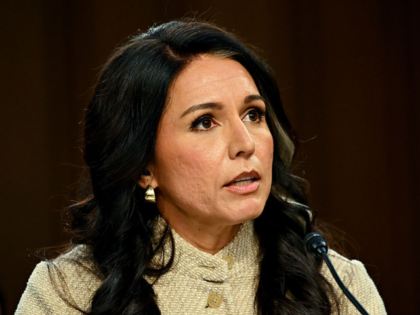
Tulsi Gabbard’s candid update on her husband’s rare bone cancer is a reminder that even the most disciplined public figures are still human beings whose private battles can reshape their public priorities. The former DNI’s willingness to share that “the battle isn’t over yet” signals a deliberate choice to keep the conversation open rather than retreat behind the usual political curtain, and that transparency matters to the 2A community because it underscores the value of personal sovereignty—over one’s health, one’s family, and one’s right to defend both. When a high-profile advocate for individual liberty confronts a life-altering diagnosis, the instinct to protect loved ones often sharpens the resolve to protect the tools that make that protection possible, whether those tools are medical options or the constitutional means to safeguard one’s home and future.
For gun owners, the story also highlights the quiet, everyday calculus that accompanies serious illness: the need for reliable self-defense when mobility is compromised, the importance of estate planning that includes secure firearm transfers, and the recognition that medical debt or treatment costs can quickly become a threat to financial independence. Gabbard’s experience invites the community to think beyond abstract policy debates and consider how real-world crises test the practical exercise of Second Amendment rights—rights that remain most meaningful precisely when life feels most fragile. In that sense, her update is less a political statement than a lived argument for why the ability to keep and bear arms is inseparable from the broader fight for personal autonomy.


