

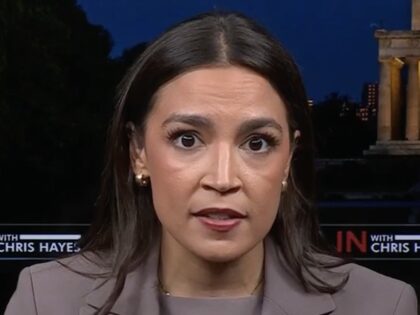
Sen. Tommy Tuberville’s blunt retort to Rep. Alexandria Ocasio-Cortez—telling her to “go back to Brooklyn”—lands like a cultural flash-bang in the middle of another gun-control push. While the exchange itself is pure political theater, the subtext is unmistakable: a sitting senator is rejecting the premise that coastal, big-city progressives should dictate firearm policy to the rest of the country. For the 2A community, the moment crystallizes a widening rural-versus-urban fault line where one side sees guns as tools of self-reliance and the other as symbols of systemic danger. Tuberville’s jab underscores that millions of Americans outside dense metro corridors are no longer willing to be lectured by representatives whose districts have some of the strictest gun laws and some of the highest rates of certain violent crimes.
The deeper implication is strategic. AOC’s brand of sweeping restrictions—magazine bans, “assault weapon” prohibitions, red-flag regimes—polls poorly once you leave the Acela corridor, and Tuberville’s line is a reminder that Senate Republicans can weaponize cultural disconnect as effectively as Democrats weaponize urban crime statistics. Expect the exchange to be clipped, memed, and deployed in rural districts and on gun-owner forums as evidence that the Democratic gun-control agenda remains an elite coastal project rather than a national consensus. In practical terms, it hardens the already formidable Senate firewall against new restrictions and signals to donors and activists that the next battlefield will be state-level preemption fights and court challenges rather than sweeping federal legislation.
For Second Amendment supporters, the episode is less about one senator’s zinger and more about narrative ownership: every time a high-profile Democrat reduces gun owners to caricatures, it reinforces turnout and resolve among the very voters whose senators and state attorneys general now hold the line in federal court and in Congress. Tuberville’s response may be crude, but it telegraphs a durable political reality—the 2A coalition is geographically dispersed, culturally confident, and increasingly unwilling to concede the microphone to representatives whose lived experience with firearms is limited to press-conference photo-ops.


