

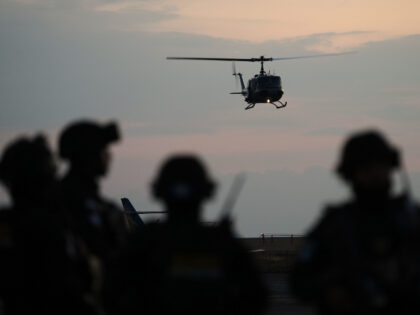
President Trump’s decision to green-light joint strikes inside Guatemala marks a sharp escalation in the long-running effort to choke off the cartels at their source rather than waiting for the poison to reach the southern border. By treating trafficking corridors as legitimate battle space—on land and at sea—the administration is effectively extending the battlefield doctrine that has already produced record fentanyl seizures and historic deportation numbers. For the firearms community this is more than foreign policy theater; every ton of precursor chemicals and every dismantled smuggling cell reduces the revenue stream that funds the very gangs now using American-made and smuggled firearms to terrorize both sides of the border.
The Guatemala agreement is especially noteworthy because it flips the usual script: instead of lecturing a sovereign neighbor about human rights while the bodies pile up, Washington is offering direct kinetic support in exchange for operational access. That model echoes the successful, if under-reported, cooperation already underway with Mexican marines and Colombian special-operations units—partnerships that have repeatedly netted cartel arsenals containing everything from .50-caliber rifles to modified AR platforms. When those weapons are taken off the street before they can be turned on ranchers, Border Patrol agents, or everyday citizens, the practical effect is an expansion of the armed citizen’s margin of safety without a single new domestic gun control measure.
Longer term, the strategy signals that the United States is willing to project power against non-state actors who treat national sovereignty as an inconvenience. That posture strengthens the argument that the Second Amendment is not merely a parchment barrier but a practical deterrent: an armed populace at home paired with an administration unafraid to strike narco-empire abroad creates a two-front defense that purely legislative “gun control” solutions have never matched. If the Guatemala precedent holds, expect more regional partners to sign on, more cartel logistics to be disrupted, and a measurable drop in the black-market firearms that thrive wherever governments refuse to confront the cartels head-on.


