

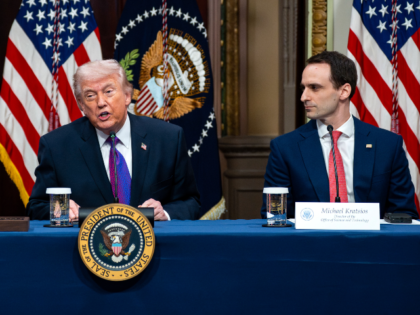
When the Trump administration’s science advisor declared that federal research dollars should prioritize American citizens over visa migrants, the ripple effects reach far beyond lab benches and grant applications. For decades, H-1B and other visa programs have been sold as a way to fill “shortages,” yet the data show they often function as a subsidy for universities and corporations that prefer cheaper, more compliant foreign labor. By insisting that taxpayer-funded science first serve the people who pay the taxes, the new strategic plan reasserts a basic principle of sovereignty: a nation’s resources exist to strengthen its own citizens, not to outsource opportunity under the banner of globalism.
For the firearms community, this recalibration matters because the same logic applies to every domain where American know-how is treated as interchangeable with imported talent. Domestic R&D in ballistics, materials science, and precision manufacturing has historically been driven by citizen engineers whose work directly feeds the small-arms industry, from advanced polymers to next-generation optics. When those positions are handed to visa holders whose primary allegiance is to their home countries or to the multinationals that sponsor them, the institutional knowledge that keeps American gunmakers competitive erodes. A policy that puts Americans first in science funding is therefore a quiet but powerful safeguard for the industrial base that produces the tools of self-defense.
Critics will cry protectionism, but the deeper issue is accountability: if federal grants are meant to advance the national interest, then the national interest must be defined by the well-being of the people who constitute the nation. Restoring that definition strengthens every sector that depends on American ingenuity, including the firearms ecosystem that has always thrived when citizens—not global labor markets—set the terms of innovation.


