

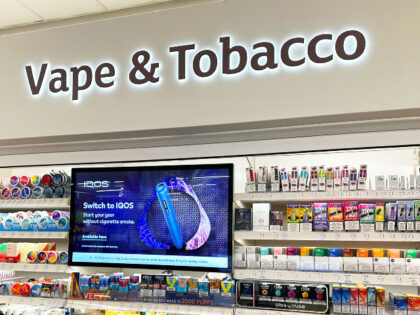
In a refreshing display of regulatory muscle, President Donald Trump’s latest FDA guidance aimed at cracking down on unauthorized tobacco products has drawn bipartisan praise from current and former lawmakers as well as law enforcement officials. The move targets the flood of illicit vapes, flavored cartridges, and counterfeit smokes that have evaded proper authorization, often slipping through borders or underground networks with little oversight. For an administration that has consistently pushed back against bureaucratic overreach, this guidance strikes a balance: protecting public health from truly dangerous unregulated products while avoiding the heavy-handed flavor bans and de facto prohibition tactics favored by progressive regulators. It’s a targeted enforcement strategy rather than the scorched-earth approach that has characterized much of the FDA’s war on nicotine in recent years.
What makes this story particularly relevant to the 2A community is the underlying philosophy at play. Just as gun owners have watched federal agencies like the ATF repeatedly expand their authority through reinterpretation of existing statutes, the tobacco space has suffered from similar mission creep. The FDA’s past attempts to regulate entire product categories out of existence mirrored the kind of regulatory fiat that threatens lawful firearm ownership and innovation in the shooting sports industry. Trump’s directive here signals a return to enforcing clear rules against black-market actors rather than punishing legitimate businesses and adult consumers. This should resonate with Second Amendment advocates who understand that selective enforcement and regulatory ambiguity are favorite tools of those who prefer control over liberty, whether the product in question is a barrel of bourbon, a box of ammunition, or a pack of cigarettes.
The broader implication is clear: consistent, principle-driven governance that respects adult responsibility while hammering actual bad actors can be applied across industries. When government focuses on real threats like counterfeit Chinese vapes laced with who-knows-what instead of harassing law-abiding manufacturers and consumers, it sets a precedent that could protect everything from firearms to supplements to traditional tobacco. For a 2A community that has grown weary of agencies weaponized against lawful exercise of constitutional rights, this FDA guidance under Trump offers a small but telling case study in what accountable regulation actually looks like.


