

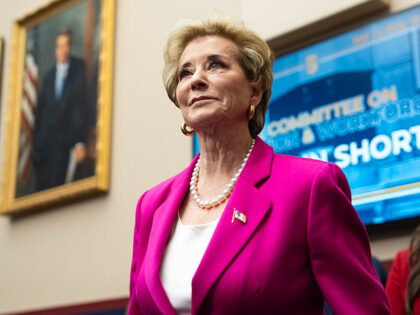
The Department of Education’s decision to swap “Pride Month” for “Title IX Month” is more than a calendar tweak—it’s a deliberate reset of federal priorities that puts biological sex and equal opportunity back at the center of policy. By elevating the landmark 1972 statute that opened sports, scholarships, and facilities to women, the administration is signaling that sex-based protections still matter even when cultural pressure says otherwise. For the Second Amendment community this matters because the same legal architecture that safeguards women’s athletics also underpins the individual right to keep and bear arms; both rest on the recognition that government may not erase immutable characteristics or disarm citizens under the guise of equity.
The move also exposes how federal agencies have drifted from statutory text toward ideological branding. Title IX was never written to erase female categories or compel speech; it was written to guarantee access. When agencies repurpose June to celebrate that original guarantee, they implicitly reject the notion that federal power should be used to compel new social orthodoxies. Gun owners have watched parallel mission creep at the ATF and DOJ, where “public safety” guidance often stretches statutes to restrict lawful carry or manufacturing. A Department of Education willing to reclaim statutory boundaries offers a template: push back against administrative overreach wherever it appears, whether the issue is locker rooms or magazine bans.
Longer term, the symbolism travels. If one cabinet department can restore sex-based categories without apology, other agencies may find similar political space to defend constitutional text over administrative fashion. That matters for 2A advocates who need every branch of government remembering that rights are not granted by pronoun or policy memo but secured by founding documents that limit what any department can do.


