

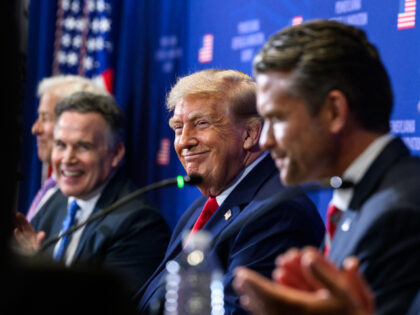
The summit at the U.S. Army War College wasn’t just another policy roundtable—it was a live demonstration of how Pennsylvania has become ground zero for a defense manufacturing resurgence that directly feeds the small-arms and ammunition ecosystem the Second Amendment community relies on. With Trump-era policies still shaping procurement priorities and McCormick leveraging his Senate seat to keep federal dollars flowing into the state’s factories, the event spotlighted expanded production lines for everything from precision rifle components to next-generation munitions. That matters because every new CNC cell, every reopened forging line, and every domestic powder plant that comes online reduces reliance on foreign supply chains and keeps critical capacity inside the United States where it can serve both military contracts and the commercial market that sustains civilian marksmanship and self-defense.
What makes this development especially potent for 2A advocates is the way defense spending and civilian firearms manufacturing share the same industrial base. When a Pennsylvania facility ramps up 5.56 or 7.62 production for the Pentagon, the same tooling and skilled workforce can pivot to commercial brass, projectiles, and complete ammunition without retooling from scratch. The summit’s emphasis on innovation also signals that additive manufacturing and advanced metallurgy—technologies once reserved for aerospace—are now migrating into rifle receivers, suppressors, and optics mounts, potentially lowering costs and accelerating iteration for civilian shooters. In an era when state-level restrictions and federal regulatory pressure continue to test access, a robust domestic manufacturing footprint acts as both an economic buffer and a political signal that the infrastructure for an armed citizenry remains intact and expanding.
The longer-term implication is strategic: Pennsylvania’s defense boom under the current administration is knitting together military readiness, industrial policy, and the constitutional right to keep and bear arms into a single supply chain. If sustained, this convergence could blunt future attempts to starve the civilian market through export controls or capacity restrictions, while giving pro-2A lawmakers concrete examples of job creation tied directly to firearms-related production. For the community that understands the Second Amendment as both a right and a responsibility, the Carlisle gathering wasn’t just about tanks and drones—it was a reminder that the tools of liberty are still being forged on American soil.


