

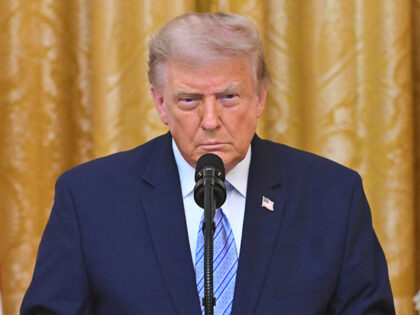
President Trump’s blunt warning that the U.S. would “bomb and destroy” a bridge or power plant if Iran fires on shipping in the Strait of Hormuz is classic deterrence theater, but it also underscores why an armed citizenry remains the ultimate backstop when global chokepoints turn into flashpoints. The 21-mile-wide waterway carries roughly one-fifth of the world’s oil; any Iranian attempt to close it would spike energy prices overnight and send ripple effects straight into ammunition plants, steel mills, and the small manufacturers that keep the domestic firearms ecosystem humming. By telegraphing a willingness to strike Iranian infrastructure rather than merely escort tankers, Trump is reminding adversaries—and domestic critics—that credible conventional power still rests on an industrial base that only a free, armed populace can reliably sustain when supply chains fracture.
For Second Amendment advocates, the episode is a timely reminder that rights are exercised in the real world, not just in court filings. When foreign actors threaten energy security, the same citizens who stockpile magazines and train with defensive rifles are also the ones who keep local grids, farms, and neighborhoods functioning if fuel shortages or blackouts materialize. Trump’s rhetoric reinforces the principle that peace through strength begins with an unapologetic commitment to both a robust military and an equally robust individual right to keep and bear arms; weaken either and the other becomes harder to maintain. In short, the Strait of Hormuz may be thousands of miles away, but the freedom to defend one’s home starts with the same cultural insistence on self-reliance that makes such presidential warnings believable in the first place.


