

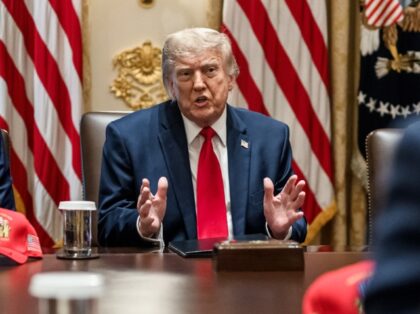
President Trump’s blunt warning to Iran that the clock has run out on endless diplomacy lands like a live round chambered in a government that finally seems willing to pull the trigger. After an American helicopter was downed in the Strait of Hormuz and both sides traded fire, the message from the White House is unmistakable: further delay will be answered with force, not another round of sanctions theater. For the firearms community this is more than foreign-policy theater; it is a real-time demonstration that deterrence still works when backed by credible capability rather than press releases. The same principle that keeps a free people armed at home—swift, certain consequences for aggression—applies on the world stage, and the contrast with the previous administration’s “talk first, consequences never” posture could not be sharper.
The 2A angle is straightforward but often overlooked: every escalation abroad underscores why an armed citizenry remains the ultimate check on centralized power. When the federal government projects strength overseas, it does so with weapons systems developed and funded by a nation that still trusts its people with the means of self-defense; weaken that domestic right and the same government grows both more timid abroad and more controlling at home. Trump’s rhetoric also spotlights the industrial base that produces everything from small arms to naval aviation, reminding readers that a robust Second Amendment culture helps sustain the skilled workforce and political will needed for credible deterrence. In short, the message to Tehran doubles as a reminder to domestic audiences that peace through strength begins with citizens who refuse to surrender their own.
If the administration follows words with precision strikes or a broader campaign, expect renewed debate over rules of engagement, export controls on American-made firearms and optics, and the inevitable attempts by anti-gun voices to link any overseas clash to domestic gun policy. The 2A community should meet those arguments head-on by pointing out that nations serious about their sovereignty—whether facing Iranian speedboats or cartel tunnels—arm their citizens and project resolve, while those that disarm their populations invite both internal decay and external contempt. Trump’s ultimatum may yet avert wider war, but the underlying lesson endures: rights that are not exercised and capabilities that are not maintained eventually become rights and capabilities that are lost.


