

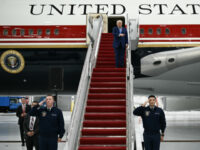
The retirement of the 36-year-old VC-25A that carried every president from Reagan through Biden wasn’t just the end of an airframe; it was the quiet close of an era when America still built its most visible symbols of power with the same industrial muscle that once armed the free world. Trump’s unveiling of the new VC-25B the very next day—sleeker, more capable, and built on a 747-8 platform—signals that the United States is once again willing to invest in platforms that project strength rather than merely manage decline. For the 2A community, the symbolism is unmistakable: the same administration that restored “peace through strength” abroad is also the one that appointed originalist judges, protected bump-stock litigation pathways, and refused to treat the Second Amendment as a bargaining chip in budget deals.
What matters beyond the chrome and the new engines is the message the aircraft carries to friend and foe alike. A modern presidential plane isn’t simply transportation; it is a flying command post with hardened communications, defensive suites, and the ability to keep the nuclear chain of command airborne indefinitely. When that platform looks formidable instead of geriatric, it reinforces deterrence—the same principle that underpins why an armed citizenry remains the ultimate check on tyranny. Adversaries who see a confident America are less likely to test red lines; citizens who see their government investing in excellence rather than austerity are more likely to trust that constitutional rights will be defended rather than incrementally regulated away.
The timing also carries a political lesson. By rolling out the new jet within 24 hours of the old one’s final flight, the administration turned a logistical milestone into a statement of momentum. That same momentum has already produced record NFA wait-time reductions, nationwide reciprocity hearings, and quiet but steady pressure on states still clinging to magazine bans and “ghost gun” registration schemes. In short, the new Air Force One isn’t just metal and avionics; it is another data point that the cultural and institutional shift toward unapologetic American strength—on the flight line and in the gun safe—is no longer theoretical.


