

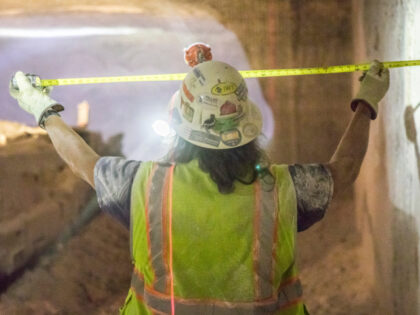
President Trump’s announcement of billions in mining-sector investments and more than $180 million for mining schools is more than an economic headline—it’s a strategic move that quietly strengthens the backbone of American firearms manufacturing. Domestic steel, copper, and rare-earth production are the literal building blocks of barrels, receivers, optics mounts, and ammunition components. By anchoring supply chains inside U.S. borders, the administration reduces reliance on foreign sources that have, in the past, proven vulnerable to export bans, tariffs, and geopolitical shocks. For the 2A community, that translates into steadier availability and potentially lower costs for the raw materials that keep factories in Illinois, Pennsylvania, and Arizona humming.
Equally important is the workforce angle. Mining schools receiving fresh federal dollars will churn out the next generation of metallurgists, machinists, and materials engineers—talent that often migrates into precision manufacturing roles at companies like Ruger, Springfield Armory, and Federal Premium. A deeper bench of skilled labor means faster prototyping cycles and more resilient production lines when demand spikes, whether from record background-check months or sudden shifts in defense-procurement priorities. In short, the policy isn’t just about digging rocks; it’s about ensuring the shovels, presses, and CNC mills that shape those rocks into the tools Americans rely on for self-defense remain firmly on domestic soil.


