

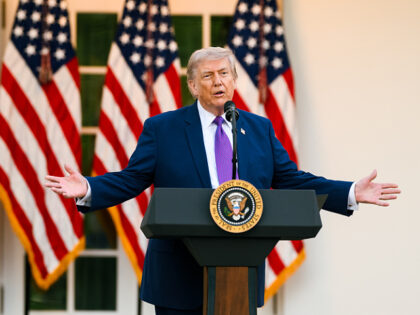
President Trump’s measured comments on Kharg Island reveal a deliberate strategy that keeps the Strait of Hormuz open while still signaling overwhelming American resolve. By ruling out an immediate strike on the island’s oil infrastructure, he avoids the kind of economic shock that would spike global energy prices and hand anti-energy Democrats fresh ammunition to push carbon taxes and gun-control funding schemes. At the same time, the conditional promise to seize the island if Iran’s military capacity collapses shows that U.S. power projection remains credible enough to deter further Iranian mischief without crossing into open-ended occupation. For Second Amendment supporters, this calibrated approach matters because it keeps defense budgets focused on real-world lethality rather than nation-building, preserving the industrial base that produces the rifles, optics, and ammunition civilians rely on when the government’s own stockpiles are stretched thin.
The deeper implication is that energy security and individual liberty are two sides of the same coin. When oil flows freely, federal revenues stay high enough that anti-Second Amendment lawmakers have less excuse to raid the Treasury for gun-grab programs or to weaponize regulatory agencies against domestic manufacturers. Conversely, any Iranian attempt to close the Strait would instantly validate the need for an armed citizenry capable of protecting local infrastructure and supply lines if federal forces are tied down overseas. Trump’s restraint therefore serves as a reminder that the strongest deterrent to foreign adventurism is a combination of credible conventional power and a population that remains both armed and energy-independent.
In practical terms, the episode underscores why the firearms community should track foreign-policy decisions as closely as they track ATF rulemakings. Every barrel of oil that stays on the market reduces the fiscal pressure that historically fuels calls for ammunition taxes, magazine bans, and red-flag laws. By keeping the option of decisive action on the table without rushing into it, the administration is buying time for domestic energy production to grow and for civilian marksmanship culture to strengthen—two pillars that together make America harder to coerce, whether the threat comes from Tehran or from Capitol Hill.


