

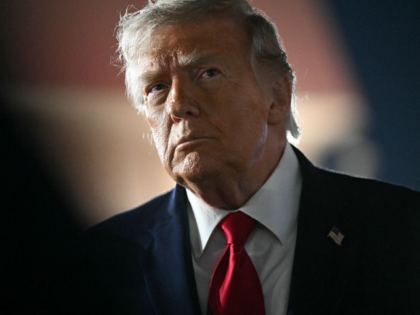
The downing of a U.S. Army Apache over the Strait of Hormuz is a stark reminder that rotary-wing assets remain high-value targets in any near-peer or proxy conflict, and the loss of even one airframe carries immediate tactical and industrial ripple effects. Trump’s insistence that America “must” respond signals more than political posturing; it underscores how quickly a single incident can accelerate demand for replacement helicopters, upgraded survivability kits, and the precision-guided munitions that keep Apaches lethal against Iranian fast-attack boats and drone swarms. For the firearms community, this is not abstract geopolitics—every lost helicopter translates into fresh contracts for defense primes whose supply chains overlap with domestic manufacturers of optics, suppressors, and small-arms components that also serve civilian shooters.
At the same time, the episode highlights the enduring relevance of the Second Amendment’s industrial base. When the Pentagon surges orders for 30 mm chain guns, Hellfire rails, and next-generation targeting pods, those same factories and skilled machinists keep the tooling and expertise alive that ultimately trickles down to AR platforms, magnified optics, and suppressor mounts available to private citizens. A prolonged standoff with Iran could tighten export controls or stretch raw-material supplies, but it also incentivizes lawmakers to protect domestic production capacity rather than cede it to foreign vendors—an argument 2A advocates have made for years when pushing for on-shore manufacturing incentives.
Strategically, the episode should prompt the firearms community to watch not only the kinetic response but the legislative one: supplemental funding bills often move quietly through Congress under the banner of “national security,” and those packages frequently contain provisions that either expand or restrict access to dual-use technologies. Staying engaged now—supporting candidates who tie military readiness to a robust civilian firearms industry—ensures that any escalation in the Gulf ultimately strengthens, rather than erodes, the constitutional right to keep and bear arms.


