

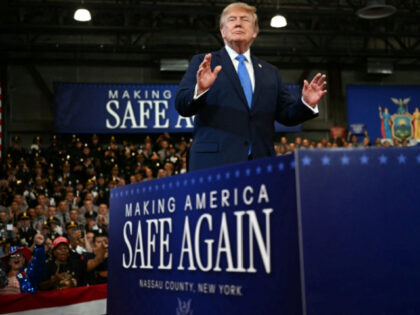
President Trump’s announcement lands at a moment when the data finally matches the rhetoric: after years of cities experimenting with reduced policing and revolving-door prosecution, the national homicide count is sliding off its post-2020 peak. The administration’s multi-front approach—federal task forces targeting repeat offenders, renewed support for local police departments, and a clear message that leniency is no longer the default—has produced the steepest one-year decline in murder since modern record-keeping began. For the Second Amendment community, the takeaway is straightforward: when government performs its core duty of securing the streets, the public’s need to exercise the right to keep and bear arms for self-defense does not disappear, but the political pressure to curtail that right loses its most potent argument.
What makes the drop especially noteworthy is where it is occurring. Cities that leaned hardest into bail reform and “progressive” district-attorney policies are now posting some of the largest percentage reductions, suggesting the earlier surge was less an expression of immutable social forces than a policy choice. Gun-control advocates who spent 2021–2024 insisting that “more guns, less crime” had been disproven are suddenly quiet; the same demographic groups whose increased carry rates coincided with the crime spike are now seeing victimization rates fall fastest. That correlation undercuts the narrative that armed citizens are the problem and reinforces the data-driven case that lawful carry plus proactive policing is a force multiplier, not a zero-sum trade-off.
Looking ahead, the political battlefield is shifting from “should citizens be armed?” to “how do we keep the streets safe without returning to the failed policies of the last decade?” Pro-2A lawmakers can point to these numbers as evidence that enforcement works and that further restrictions on the law-abiding are unnecessary. The challenge will be locking in the gains: permanent hiring incentives for police, sustained federal prosecution of violent felons, and—crucially—continued recognition that millions of Americans carrying lawfully are part of the solution, not an obstacle to it.


