

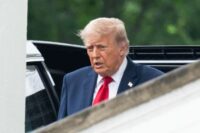
President Trump’s scheduled visit to Walter Reed for what aides are calling a “routine” checkup is already drawing the usual media speculation, but for Second Amendment supporters the timing carries a sharper edge. With the 2024 election cycle heating up and several states still litigating magazine bans and “assault weapon” restrictions, any visible sign that the former president remains physically and mentally fit undercuts the left’s favorite narrative that he is somehow unfit to lead. A clean bill of health also keeps the focus squarely on policy rather than personal drama, allowing Trump to hammer home his record of appointing originalist judges who have already begun rolling back the administrative state’s gun-control ambitions.
The optics matter beyond the Beltway. Gun owners remember that the last time Trump walked out of Walter Reed, he had just survived an assassination attempt that the corporate press tried to memory-hole within forty-eight hours. That image of resilience still resonates in every gun shop and range across the country, reinforcing the argument that the right to keep and bear arms is not an abstract debating point but a practical necessity in an era when political violence is no longer theoretical. If the checkup reveals nothing more than the expected age-related maintenance, it quietly strengthens the case that the same man who delivered constitutional carry on federal property and three Supreme Court justices is still the safest bet for protecting those gains.
Longer term, the visit underscores how fragile the post-Bruen landscape remains. Lower courts continue to stall or narrow the Bruen test, and a second Trump term would likely mean not only new appellate judges but also an Attorney General willing to treat the right to bear arms as the presumptive rule rather than the exception. In that light, even a mundane medical appointment becomes a data point in the larger contest over whether the Second Amendment will be treated as a fundamental liberty or merely a policy option subject to the next public-health or public-safety emergency.


