

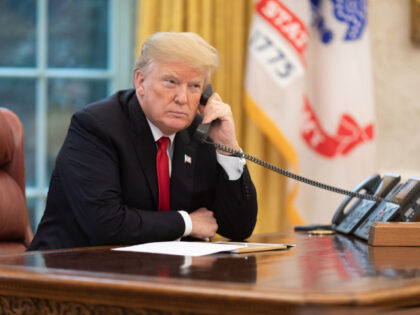
President Trump’s blunt message to Benjamin Netanyahu—that it’s time to wrap up operations in Lebanon—lands at a moment when the Middle East’s shifting alliances are already reshaping global arms flows and defense priorities. By signaling that Washington’s patience has limits, Trump is reminding allies that U.S. strategic bandwidth is finite, a reality that reverberates straight into the defense-industrial base that supplies both American forces and the civilian market. When the tempo of overseas commitments slows, production lines that once ran hot on foreign military sales can pivot capacity toward domestic needs, a dynamic the firearms community has watched play out after every major draw-down since the end of the Cold War.
For Second Amendment advocates, the subtext is clear: sustained overseas entanglements have historically justified export controls, ITAR restrictions, and even temporary domestic rationing of certain components and optics. A quicker resolution in Lebanon reduces the political pressure to keep those valves tight, potentially easing the regulatory headwinds that have kept American shooters from accessing the latest tritium sights, suppressors, and small-arms tech developed for allied special-operations units. At the same time, a more restrained U.S. posture could blunt the narrative—pushed hard by anti-gun voices—that “military-grade” hardware must be kept out of civilian hands because the nation is perpetually on a war footing.
The larger implication is that foreign-policy restraint and domestic liberty often travel together. When presidents prioritize decisive, time-limited action abroad rather than open-ended nation-building, they shrink the excuse set that gun-control advocates rely on to expand the administrative state’s reach over firearms, ammunition, and even reloading supplies. Trump’s terse counsel to Netanyahu is therefore more than Middle-East commentary; it is an early indicator that the next chapter of U.S. foreign policy may once again favor a strong, but leaner, defense posture—one that ultimately strengthens rather than crowds out the individual right to keep and bear arms.


