

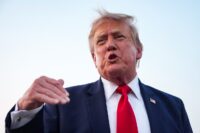
Trump’s latest warning to strike Iranian bridges and power grids if Tehran keeps choking the Strait of Hormuz is more than saber-rattling; it’s a reminder that energy chokepoints and conventional deterrence still matter in an age of drones and cyber. By publicly naming infrastructure targets, the administration is signaling that any attempt to close the strait will be met with rapid, visible punishment rather than drawn-out sanctions. That posture keeps global oil prices from spiking overnight, which in turn keeps defense budgets—and therefore the industrial base that produces everything from 5.56 brass to precision optics—stable enough for manufacturers to plan production runs instead of rationing components.
For the 2A community the message is straightforward: when the executive branch treats energy security as a core national interest, it indirectly protects the supply chains that feed civilian firearms makers and ammunition plants. A sudden oil shock would raise polymer, steel, and transportation costs across the board, squeezing smaller shops first and giving larger contractors an excuse to prioritize military orders over commercial magazines and reloading components. Trump’s willingness to telegraph kinetic responses also reinforces the broader principle that credible force, not endless negotiation, is what ultimately deters adversaries—an argument Second Amendment advocates have long made about individual self-defense.
The bigger implication is that deterrence works both ways. Just as a strong conventional posture can keep Hormuz open, an armed citizenry that refuses to be disarmed keeps domestic political debates from drifting into confiscation fantasies. In both arenas the lesson is the same: capability plus the demonstrated will to use it prevents the crisis from ever materializing.


