

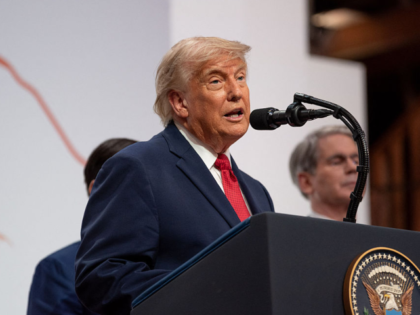
President Trump’s presence at the G7 in Évian-les-Bains and his subsequent dinner with Emmanuel Macron at Versailles sent a clear signal that American strength, not endless negotiation, is once again shaping global events. By pressing both Tehran and Moscow on the world stage, the administration underscored that peace is best secured through credible deterrence rather than wishful diplomacy. For the firearms community, this approach matters because it reinforces the principle that rights are preserved by readiness; when the United States projects resolve abroad, it reduces the likelihood that American citizens will ever need to defend their own soil against the chaos that follows weak leadership.
The optics of meeting at the Palace of Versailles, where the guns of World War I were finally silenced, were impossible to ignore. Trump’s willingness to confront Iran’s nuclear ambitions and Russia’s grinding war in Ukraine reminded allies and adversaries alike that treaties without enforcement are little more than paper. That message resonates with Second Amendment advocates who have long argued that an armed citizenry serves as the ultimate check against both foreign aggression and domestic overreach; a nation confident in its own defense is far less tempted to trade liberty for illusory security.
Looking ahead, sustained pressure on rogue regimes could ease the pressure on domestic supply chains that have been strained by years of proxy conflicts and sanctions uncertainty. More importantly, it keeps the cultural conversation centered on responsibility and preparedness rather than restriction. When the Commander-in-Chief treats peace as something earned through strength, the 2A community gains breathing room to focus on training, marksmanship, and the timeless truth that rights exist only when backed by the means and will to defend them.


