

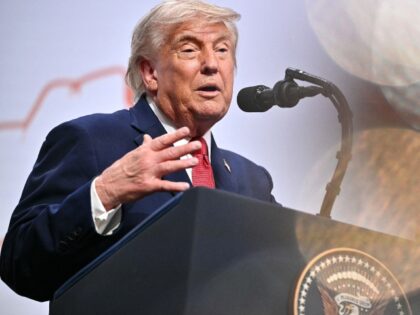
In a revealing moment at the G7 summit, President Trump shared with Breitbart that European leaders who once criticized his push for higher defense spending and energy independence are now privately conceding he was ahead of the curve. What began as blunt warnings about reliance on Russian gas and uneven NATO burdens has evolved into quiet acknowledgment that those same leaders are recalibrating their own security postures. For the firearms community this matters because the same strategic realism Trump applied to foreign policy—refusing to outsource American strength—mirrors the core 2A argument that individual citizens cannot outsource their own security to distant bureaucracies or wishful thinking about crime rates.
The shift in tone from European capitals carries direct lessons for domestic gun policy debates. When leaders who spent years lecturing the United States on everything from climate accords to multilateral institutions suddenly recognize that deterrence works better than dependence, it undercuts the parallel narrative here at home that only government programs and restrictions can keep people safe. Data from states with constitutional carry and shall-issue permitting continue to show no surge in violence, while cities clinging to the strictest controls often post the highest per-capita gun crime; the pattern echoes the G7 realization that strength, not surrender, shapes outcomes. Trump’s comment therefore lands as more than foreign-policy gossip—it reinforces that skepticism toward elite consensus has repeatedly proven prescient on both sides of the Atlantic.
Looking ahead, the 2A community can draw tactical value from this episode by framing self-defense rights as part of a broader culture of responsibility rather than an afterthought to international summits. As European nations quietly boost defense budgets and reconsider energy ties, American gun owners should keep highlighting how shall-issue reforms, constitutional carry expansions, and armed-citizen deterrence have delivered measurable drops in certain violent crimes without the predicted bloodbaths. The message is consistent: whether the threat is a foreign adversary or a street-level predator, preparedness beats paralysis every time.


