

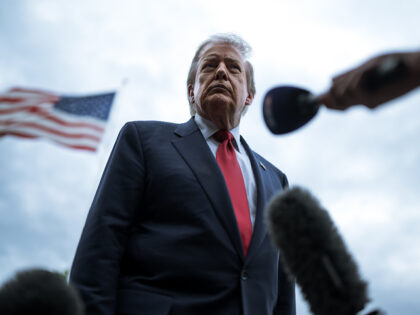
President Trump’s blunt assessment that the U.S. Navy “controls the Strait” and that a fully reopened waterway could send gasoline prices tumbling to $2.50 a gallon is more than a geopolitical brag—it’s a reminder that energy security and the right to keep and bear arms are two sides of the same coin. When the world’s most critical oil artery is patrolled by American warships, the price at the pump is effectively underwritten by the same constitutional framework that guarantees citizens the tools to defend themselves. A stable flow of affordable fuel keeps the economy humming, which in turn sustains the manufacturing base that produces everything from AR-15s to everyday carry pistols; conversely, any threat to that flow—whether from Iranian speedboats or domestic policy—quickly translates into higher costs for ammunition, optics, and training time at the range.
For the 2A community, the takeaway is straightforward: the same administration that projects credible force abroad is also the one most likely to defend the individual right to arms at home. A drop in energy prices doesn’t just fatten wallets; it expands the discretionary income shooters can devote to firearms, suppressors, and the legal defense funds that protect those purchases. Conversely, any future administration tempted to cede influence in the Strait—or to treat domestic gun owners as the real threat—risks driving up both the cost of living and the cost of liberty. In short, the Strait of Hormuz may sit 7,000 miles away, but its security is felt every time a law-abiding citizen shoulders a rifle or holsters a sidearm without wondering whether next month’s grocery bill will force a choice between range fees and rent.


