

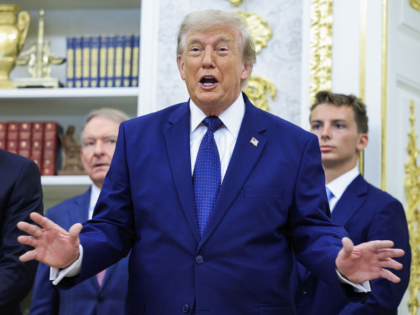
President Trump’s jab at Democrats for brushing aside the conservative accuser’s claims against Maine’s Graham Platner lands like a precision shot at the heart of selective outrage. While the media and party operatives scramble to elevate the newest allegations, the earlier testimony from a woman with deep conservative ties was treated as background noise—an all-too-familiar pattern where political affiliation dictates whose pain counts. For the 2A community, this isn’t just another partisan skirmish; it’s a reminder that the same institutions quick to disarm law-abiding citizens are equally eager to disarm inconvenient truths when they threaten their narrative.
The stakes extend beyond one candidate’s fate. When accusations are weighed on a partisan scale rather than evidence, the rule of law erodes, and that erosion always circles back to the Second Amendment. Lawmakers who dismiss due process for political convenience rarely stop at speech or reputation; they move next to restricting the tools citizens use to defend themselves. Trump’s spotlight on the double standard forces a broader conversation: if Democrats won’t apply consistent standards to their own, why should gun owners trust them with the power to decide who may keep and bear arms?
In the run-up to 2026 midterms, this episode serves as a live-fire drill for voters who value both accountability and constitutional rights. The 2A community has long understood that culture precedes policy—when institutions normalize selective justice, the groundwork is laid for selective disarmament. Trump’s intervention keeps the pressure on, ensuring that the same voices demanding “believe all women” confront the women they’d rather ignore, and reminding gun owners that vigilance at the ballot box remains the most reliable safeguard for both truth and the right to self-defense.


