

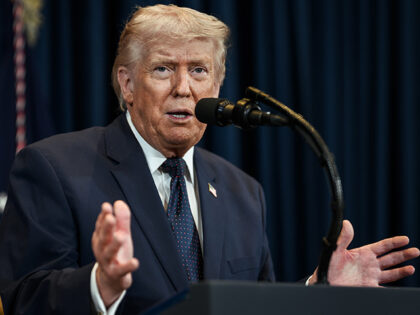
President Trump’s declaration that the Strait of Hormuz will become “U.S. territory” once Iran is defeated is more than saber-rattling—it’s a blunt reminder that energy chokepoints are the ultimate strategic terrain. Twenty percent of global oil still transits that narrow corridor; whoever controls it can throttle or flood the market at will. For the firearms community, that translates into a direct line between foreign policy and domestic supply chains: when crude prices spike, polymer prices follow, and the same factories that mold rifle stocks also mold fuel cans and optics housings. A sudden surge in energy costs could therefore ripple straight into the cost of every round you stack on the bench.
The second-order effect is even more instructive. If Washington truly treats the strait as sovereign soil, the Navy will need a permanent, forward-deployed presence—more hulls, more Marines, more logistics. That means sustained defense budgets and, historically, a political environment friendlier to domestic manufacturing incentives. Pro-2A lawmakers have long argued that a robust defense industrial base keeps tooling, skilled labor, and raw materials inside the United States; the same mills that spin 5.56 barrels can spin bolt carriers for the civilian market. In other words, a muscular posture abroad can underwrite the very capacity that keeps magazines, suppressors, and precision rifles rolling off American lines rather than waiting on container ships from overseas.
Finally, the rhetoric itself is a stress test for the narrative that equates American strength with recklessness. The firearms community has watched administrations of both parties treat the Second Amendment as a bargaining chip whenever foreign crises flare. If this administration pairs hard power projection with an explicit defense of constitutional rights—shall-issue reciprocity legislation, HPA-Silencers reform, or even a new import-friendly tariff regime—it could lock in a rare alignment: secure supply lines abroad and secure rights at home. The Strait of Hormuz may sit 7,000 miles away, but the primer that lights your next range session is forged in the same geopolitical furnace.


