

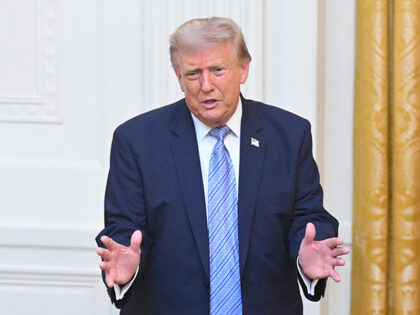
The revelation that nearly 278,000 noncitizens may be sitting on federal voter rolls is more than a bureaucratic glitch—it’s a flashing red light on the dashboard of American democracy. When the Department of Homeland Security itself flags this scale of potential ineligible registrations, it underscores how porous our election infrastructure remains despite years of warnings from election-integrity advocates. President Trump’s blunt assessment that the system is “broken” and “vulnerable” lands with particular weight because it comes from the same administration that has already moved to tighten federal databases and cross-checks between DHS, SSA, and state election offices. For the 2A community, the stakes are immediate: every illegitimate ballot dilutes the voice of law-abiding citizens who rely on the Second Amendment as the ultimate check against government overreach. If noncitizens—or worse, noncitizens with criminal records—can influence who writes the laws, then the very people tasked with protecting our rights may owe their seats to voters who have no constitutional stake in preserving them.
This isn’t abstract theory; it’s a practical threat to the electoral firewall that keeps anti-gun politicians from steamrolling the right to keep and bear arms. States that have resisted routine citizenship verification are effectively outsourcing part of their sovereignty to foreign nationals whose incentives may lie elsewhere. The 2A community has long understood that secure borders and secure ballots are two sides of the same coin—both are prerequisites for preserving a constitutional republic where the people, not transient majorities or imported voters, remain sovereign. When the integrity of that process is called into question at this magnitude, it fuels legitimate demands for paper ballots, same-day voter ID, and real-time interstate and federal database matching. Anything less invites the slow erosion of the very mechanism that allows citizens to course-correct when government turns hostile to their enumerated rights.


