

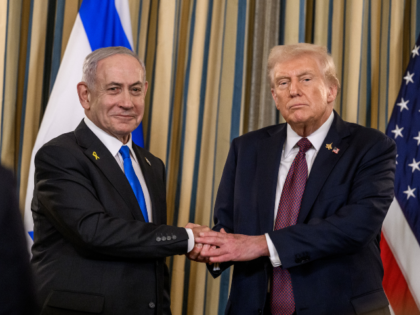
President Trump’s announcement of a ceasefire between Israel and Hezbollah, paired with the continuation of back-channel talks with Iran, signals a deliberate pivot from open conflict to calibrated pressure. By keeping the diplomatic door cracked while refusing to blink on sanctions or arms flows, the administration is reminding Tehran that any nuclear sprint or proxy surge will still meet hardened resistance rather than another round of pallets of cash. For the firearms community this matters because the same strategic logic—deterrence through credible strength—underpins why export controls, ITAR reforms, and domestic manufacturing incentives have quietly expanded under this White House; a stable Middle East reduces the urgency for emergency drawdowns of U.S. stockpiles and keeps pressure on lawmakers to protect the industrial base that supplies both our allies and American citizens.
The timing is no accident. With Hezbollah’s rocket barrages paused and Iranian negotiators still at the table, regional demand for precision rifles, optics, and defensive systems is shifting from emergency replenishment to long-term modernization. That shift favors stateside producers who can deliver MIL-SPEC components without the compliance drag that has hampered exports in recent years. Second Amendment advocates watching the Beltway know that every successful deterrence abroad undercuts the narrative that “military-grade” firearms must be restricted at home; when U.S. forces and partners demonstrate that privately manufactured, semi-auto platforms remain relevant on real battlefields, the policy argument for magazine bans and “assault weapon” prohibitions loses practical credibility.
Ultimately, the ceasefire-plus-talks formula keeps Iran in a defensive crouch while giving American gun owners and manufacturers room to innovate rather than simply resupply. If the talks collapse, the same networks that moved Javelin-class systems and small-arms ammunition to partners will be stress-tested again, reinforcing the case for robust domestic capacity and minimal regulatory friction. In short, stability achieved through strength is not just a foreign-policy slogan—it is the operating environment that lets the Second Amendment community continue building, training, and exporting the tools of liberty without apology.


