

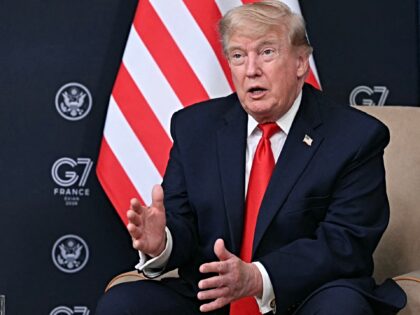
President Trump’s measured nod to Iran’s economic upside under continued cooperation signals a pragmatic pivot that could reshape the Middle East’s balance sheet—and, by extension, the global arms market. While the president’s words were aimed at trade and sanctions relief, the subtext is unmistakable: a de-escalated Tehran is less likely to funnel cash and weapons to proxies that threaten U.S. partners like Israel and Saudi Arabia. For the firearms community, that matters because every dollar Tehran saves on sanctions evasion is a dollar that could otherwise buy rockets, drones, or small arms for Hezbollah and the Houthis; dialing down that pipeline keeps American and allied forces from facing Iranian-supplied ordnance on future battlefields.
At the same time, the overture underscores a broader Trump-era doctrine that pairs economic carrots with unmistakable military resolve. The same administration that floated economic incentives also green-lit the sale of precision-guided munitions to Gulf states and expanded the Abraham Accords—moves that bolstered Israel’s qualitative military edge and gave Sunni Arab nations more sovereign control over their own defense procurement. Second Amendment advocates watching these developments see a consistent through-line: strength abroad reduces the pressure to restrict freedoms at home. When U.S. deterrence is credible, domestic gun-control arguments framed around “keeping weapons out of the hands of terrorists” lose their urgency, because the supply lines feeding those terrorists are being squeezed at the source.
Ultimately, the president’s comment is less about Iran’s GDP than about keeping the battlefield advantage tilted toward free nations and their armed citizenries. If economic engagement can starve proxy militias of cash while U.S. arms sales and alliances continue to professionalize allied forces, the result is a safer strategic environment—one in which law-abiding Americans retain both their right to keep and bear arms and the confidence that those arms won’t be needed to counter blowback from an unchecked Iranian weapons network.


