

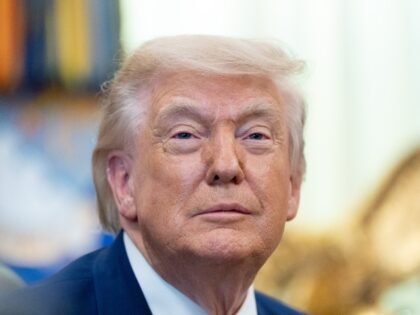
President Trump’s announcement that Iran has pledged to abandon its nuclear ambitions lands like a strategic pause in a long-running standoff, one that could reshape not only Middle East security but also the global arms market that indirectly fuels the Second Amendment debate here at home. By framing the deal as a voluntary Iranian concession rather than another round of sanctions theater, the administration is signaling that credible deterrence—backed by a visibly strong U.S. military posture—can extract concessions without endless multilateral theater. For the firearms community, the takeaway is straightforward: when America projects strength rather than apology, rogue regimes recalibrate, and that recalibration reduces the likelihood of another prolonged conflict that historically drives up demand for defensive firearms while tightening regulatory scrutiny at home.
The timing matters. With the 2024 campaign cycle heating up, any visible diplomatic win lets pro-2A voters argue that peace-through-strength policies protect both national security and the individual right to keep and bear arms, rather than ceding leverage to international bodies that have repeatedly eyed civilian firearms as “destabilizing.” If Tehran’s promise holds, reduced regional tensions could ease pressure on domestic ammunition and component supply chains that tightened during prior Iran-related flare-ups. Conversely, if the agreement unravels, expect renewed calls for export controls and renewed attempts to link foreign-policy crises to gun-control measures—an old playbook the industry has learned to counter with data showing lawful American gun owners are not the source of global instability.
Ultimately, the story underscores a broader truth the 2A community has long understood: rights are most secure when the nation’s foreign policy rests on credible strength rather than wishful engagement. A nuclear-armed Iran would have invited layers of new sanctions, technology controls, and perhaps even renewed pushes for international small-arms treaties that often serve as backdoors for domestic restrictions. By keeping that scenario at bay, the administration has bought time—time the firearms community can use to focus on expanding constitutional carry, defending braced pistols, and preserving the supply lines that keep millions of Americans prepared, rather than reacting to yet another self-inflicted foreign-policy crisis.


