

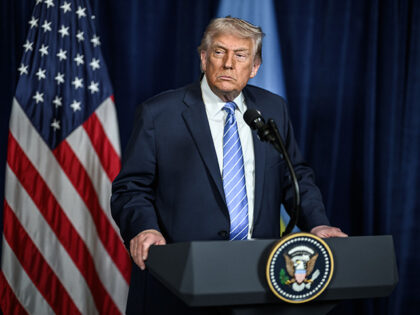
President Trump’s sudden diplomatic intervention to cool an Israel-Hezbollah flare-up has produced the rarest of headlines: a possible U.S.-Iran deal inside seven days. The timing is no accident; with the Abraham Accords still expanding and oil markets jittery, the White House is betting that a quick de-escalation in Lebanon can be converted into leverage at the nuclear table. For the firearms community the stakes are immediate. Any agreement that loosens sanctions on Iran’s oil revenue will flood cash into Tehran’s proxy network, and history shows that money quickly finds its way to Hezbollah’s rocket factories and Hamas’s tunnel networks—both of which have been documented using smuggled American-made small arms and optics. A rapid deal that fails to lock down those revenue streams risks repeating the post-JCPOA pattern in which Iranian-backed militias upgraded their arsenals with precision-guided munitions and night-vision gear that later showed up in attacks on U.S. forces and Israeli civilians.
At the same time, the episode underscores why domestic Second Amendment protections remain the last line of credible deterrence. When foreign policy gambles leave American citizens exposed to emboldened terror groups, the ability of law-abiding citizens to own modern defensive firearms becomes more than a constitutional talking point; it becomes a practical hedge against the downstream consequences of imperfect diplomacy. If the coming week produces a handshake that merely pauses, rather than dismantles, Iran’s support for Hezbollah, expect renewed pressure on Congress to treat the smuggling pipelines as a national-security issue rather than a routine customs problem. In short, the same week that could reshape Middle East arms flows is also a reminder that the right to keep and bear arms at home is inseparable from the messy realities of great-power bargaining abroad.


