

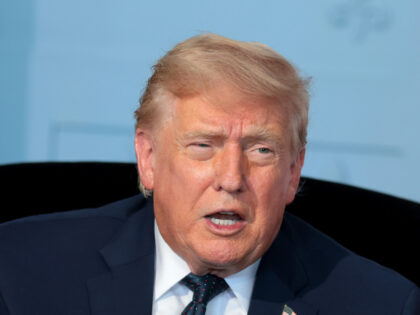
President Trump’s vow to keep battling the E. Jean Carroll verdict lands like another reminder that the legal system can be weaponized against anyone who refuses to bend the knee, and the 2A community should take note. The Supreme Court’s refusal to hear the appeal doesn’t settle the underlying facts; it simply signals that the justices are content to let lower-court outcomes stand even when those outcomes rest on novel legal theories and a civil standard of proof. For gun owners who have watched states craft “sensitive-place” maps and magazine bans that survive on procedural technicalities rather than constitutional merits, the message is clear: today’s procedural dodge can become tomorrow’s precedent that chips away at enumerated rights.
What makes the Carroll litigation especially instructive is how it illustrates the expanding use of civil litigation as a political tool. A single plaintiff’s testimony, buttressed by decades-old allegations and a relaxed evidentiary bar, produced an eight-figure judgment that now shadows every future campaign stop and book deal. Second Amendment advocates have seen parallel tactics deployed against FFLs, gun-show promoters, and even individual carriers through creative tort theories and public-nuisance claims. When courts decline to intervene at the appellate level, the practical effect is to raise the cost of self-defense—both financial and reputational—until only the wealthiest or most determined citizens remain willing to exercise their rights.
Looking ahead, the 2024 cycle will test whether voters view these lawfare episodes as disqualifying or as evidence that institutional guardrails have failed. If the latter view prevails, expect renewed pressure for structural reforms: term limits for justices, jurisdiction-stripping legislation, and state-level pushes to insulate constitutional carry and permitless reciprocity from federal-court second-guessing. Trump’s refusal to concede the Carroll case may be personal, but the precedent it sets—or fails to set—will shape how aggressively the administrative state and allied litigants can target law-abiding gun owners long after the ballots are counted.


