

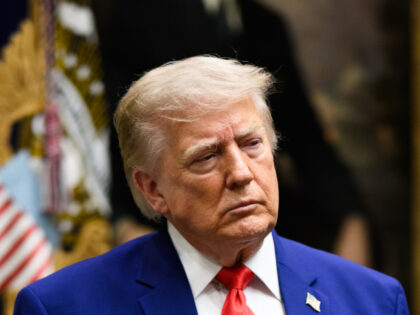
President Trump’s blunt rejection of Iran’s six-point ultimatum is more than a diplomatic standoff—it’s a reminder that the world’s most volatile chokepoint, the Strait of Hormuz, sits squarely in the crosshairs of energy markets and national security. When the President pivots from “re-opening” to “compensation,” he’s signaling that future talks will treat Iranian aggression as a bill that must be paid, not a grievance to be negotiated away. For the firearms community, that language matters: it frames the U.S. as unwilling to trade strategic leverage for temporary calm, a posture that historically keeps defense budgets—and therefore domestic manufacturing lines—healthy.
The ripple effects reach straight into American gun shops and reloading benches. Heightened tensions in the Persian Gulf have already nudged crude prices upward, and every cent per barrel adds pressure to polymer prices, primer compounds, and freight costs that manufacturers quietly pass along. A prolonged standoff could translate into tighter inventories of imported optics, foreign-made components, and even the brass we take for granted. Meanwhile, the President’s compensation-first stance reassures Second Amendment advocates that the administration views strength, not concession, as the baseline for dealing with state sponsors of terrorism—an outlook that tends to keep import restrictions and ATF reinterpretations at bay.
Longer term, the episode underscores why domestic capacity and personal preparedness remain central to the 2A ethos. If sanctions tighten or shipping lanes constrict, the ability to source, maintain, and train with American-made firearms and ammunition becomes more than a hobby; it’s a hedge against supply shocks that global events can trigger overnight. Trump’s demand for restitution may be aimed at Tehran, but its quiet beneficiary could be the U.S. gunmaker whose production floor stays lit precisely because the country refuses to outsource its security—or its liberty—to foreign goodwill.


