

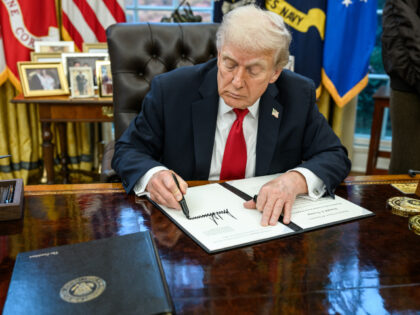
In a move that feels ripped straight from the pages of regulatory overreach, President Trump’s decision to pardon Americans prosecuted under the Clean Air Act for nothing more than modifying their own vehicles sends a clear message: the administrative state’s war on personal property doesn’t stop at gun cabinets. These “fixers” weren’t dumping toxic waste or evading emissions standards in some industrial conspiracy—they were tweaking engines, swapping parts, and restoring classics the way gearheads have done for generations. The Biden-era DOJ treated those tweaks like felonies, complete with criminal records that could strip rights, including the Second Amendment, through the same convoluted prohibited-person logic that already ensnares non-violent offenders. By wiping those convictions clean, Trump isn’t just handing out July 4th mercy; he’s spotlighting how environmental rules have become another lever to disarm citizens without ever touching a firearm statute.
For the 2A community, the parallel is impossible to ignore. Just as magazine bans, “assault weapon” definitions, and red-flag laws expand the definition of who counts as a threat to public safety, emissions prosecutions quietly expand the pool of Americans labeled criminals by bureaucratic fiat. A hobbyist who deletes a catalytic converter today could face the same collateral consequences as someone with a decades-old misdemeanor tomorrow—loss of carry permits, denied purchases, and the permanent asterisk that follows them into every background check. Trump’s pardons underscore that these aren’t isolated enforcement actions; they’re part of a broader pattern where federal agencies criminalize ordinary behavior to achieve policy goals that Congress never explicitly authorized. The result is a chilling effect: fewer people willing to tinker, restore, or even own mechanical property that might draw regulatory scrutiny.
The deeper implication is that rights are only as secure as the government’s willingness to define new crimes. When the administrative apparatus can turn a muffler swap into a felony, the same machinery can turn a standard-capacity magazine or an unregistered receiver into one tomorrow. Trump’s action is a reminder that pushing back requires constant vigilance across every regulatory front, not just the obvious gun-control bills. For enthusiasts who value both mechanical freedom and the right to keep and bear arms, the lesson is straightforward: today’s emissions scofflaw is tomorrow’s prohibited person unless the culture of criminalization itself is rolled back.


