

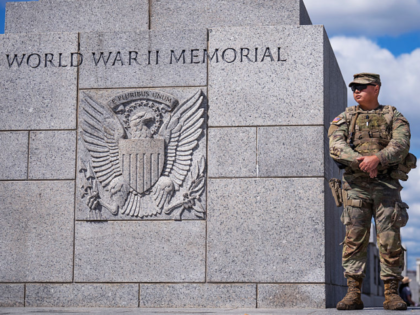
President Trump’s blunt condemnation of the World War II Memorial vandals—“Where do these animals come from?”—cuts through the usual political niceties and lands squarely on the cultural rot that treats the nation’s greatest generation as fair game for spray-paint and slogans. The memorial, etched with the names of battles and the quiet dignity of bronze stars, stands as a physical ledger of sacrifice; defacing it is not mere mischief but an assault on the very idea that some causes are worth dying for. For Second Amendment advocates, the episode is a stark reminder that the same ideological currents pushing to “re-imagine” public spaces are the ones eager to re-imagine the Constitution itself—starting with the individual right to keep and bear arms that millions of those same veterans fought to preserve.
The timing is no accident. As cities weigh “equity audits” of war memorials and campuses debate whether the Greatest Generation’s victories were “problematic,” the vandals serve as shock troops for a revisionist narrative that would prefer Americans forget why they needed rifles, bayonets, and the will to use them. Every time a memorial is tarred, the 2A community sees a dress rehearsal for the next round of restrictions: if the memory of armed citizen-soldiers can be desecrated without consequence, then the living exercise of that right can be regulated, registered, or retired in the name of public safety. Trump’s unfiltered language forces a choice—either we defend the cultural soil in which the Second Amendment grows, or we concede that heritage is optional and rights are negotiable.
Ultimately, the episode underscores why pro-2A citizens must treat cultural preservation as part of their brief. Monuments are the stone-and-bronze case that liberty is worth defending; when they are allowed to be vandalized with impunity, the argument for an armed citizenry loses its most visceral exhibit. The president’s reaction signals that at least one national leader still recognizes the connection between honoring those who carried arms in the past and safeguarding the right of those who may need to carry them in the future.


