

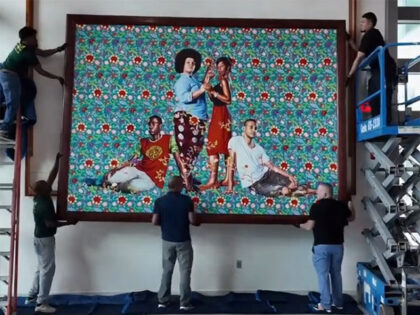
The State Department’s decision to offload a taxpayer-funded canvas that Obama-era bureaucrats once hailed as high art is more than a housekeeping move—it’s a cultural course correction that ripples straight into the gun-rights debate. The painting, executed by the same artist who rendered the official Obama portraits, was quietly commissioned with public dollars and hung in federal corridors as a visual manifesto of identity politics. Now, with a new administration labeling it “very woke,” the piece is headed for the auction block, a blunt reminder that symbols matter and that the people footing the bill still get the final say on what hangs in their buildings.
For Second Amendment advocates, the episode underscores a larger pattern: when progressive administrations weaponize federal real estate—whether through art, signage, or policy memos—they signal whose values are welcome inside the Beltway. The same impulse that produced an officially sanctioned portrait dripping in grievance politics also produced photo-ops of AR-15s laid out like crime-scene evidence and press releases that conflate lawful ownership with public menace. Reversing that visual narrative is therefore more than aesthetics; it’s a down payment on restoring institutional neutrality so that future debates about magazine capacity or carry reciprocity aren’t prejudged by the décor.
The sale itself may net only modest revenue, but the precedent is priceless. It tells every federal agency that cultural real estate is not a progressive fiefdom, and it reassures grassroots gun owners that their tax dollars won’t be drafted into psychological operations against their own rights. In an era when every brushstroke can become a talking point, reclaiming the walls is a small but tangible victory on the long road to keeping the Second Amendment’s cultural flank secure.


