

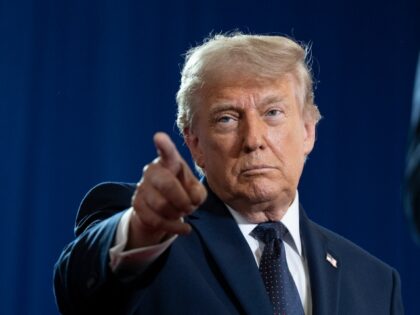
President Trump’s decision to tap James McDonald for the powerful Southern District of New York U.S. Attorney slot is more than a personnel move—it’s a deliberate recalibration of one of the most weaponized legal offices in the country. For years the SDNY has functioned as a de-facto national prosecutor, stretching its jurisdiction from Wall Street to the gun shops of Upstate New York and using creative charging theories to target firearms owners, FFLs, and even out-of-state sellers under novel interpretations of “trafficking.” McDonald’s arrival signals that the same office that once partnered with ATF on zero-tolerance Glock-switch and “ghost gun” cases may soon be forced to justify every indictment against the plain text of the Second Amendment and the Supreme Court’s Bruen framework.
The timing could not be more pointed. With several high-profile Second Amendment challenges already teed up in the Second Circuit, a Trump-aligned U.S. Attorney can quietly shift resources away from boutique gun cases and toward actual violent crime, while also deciding whether to defend or abandon Biden-era regulations that treat solvent-trap kits and unfinished receivers as firearms. That discretionary power—exercised daily in charging memos and press releases—has a more immediate effect on law-abiding gun owners than any single piece of legislation. If McDonald follows the pattern of other Trump-era prosecutors who de-emphasized regulatory gun cases, expect fewer headlines about “illegal firearm trafficking rings” that turn out to be a single private sale between two residents of shall-issue states.
For the 2A community the real takeaway is institutional: control of the SDNY is one of the last administrative choke points available to the administrative state for pursuing gun owners without new legislation. Trump’s choice puts an unmistakable marker down that this particular lever will no longer be available for lawfare by default. Whether McDonald uses that authority to roll back past overreach or simply declines to initiate new theories of liability will tell us how durable the post-Bruen legal landscape really is.


