

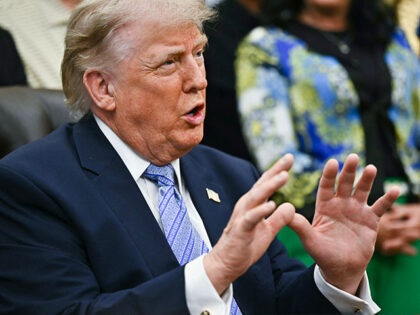
President Trump’s declaration that Iran’s enriched uranium must either be handed straight to the United States or destroyed on Iranian soil is more than a headline—it is a blunt reminder that nuclear material in the hands of a theocratic regime is a direct threat to free people everywhere, including armed Americans who understand that deterrence begins with credible force. By insisting the stockpile be removed or neutralized immediately, the administration is rejecting the slow-walk diplomacy that previously allowed Tehran to inch closer to breakout capacity while Western negotiators chased signatures on paper. For Second Amendment advocates, the message is unmistakable: when governments fail to secure the ultimate weapon, individual citizens who retain the ultimate check on tyranny become the last line between liberty and annihilation.
The practical effect of this ultimatum ripples outward to every range, gun shop, and kitchen-table conversation about preparedness. If Iran’s centrifuges keep spinning, the probability of a dirty bomb or suitcase device reaching a U.S. port rises sharply, and the only reliable counter to such asymmetric threats is a citizenry that is already trained, equipped, and constitutionally empowered to respond. Trump’s stance also undercuts the narrative that arms-control treaties alone can substitute for hard power; instead, it reinforces the founding-era logic that rights to keep and bear arms exist precisely because foreign adversaries and domestic authoritarians cannot be trusted with a monopoly on force. In short, the uranium ultimatum is not merely foreign policy—it is a live-fire demonstration that the right to self-defense, at every scale, remains America’s first and best insurance policy.


