

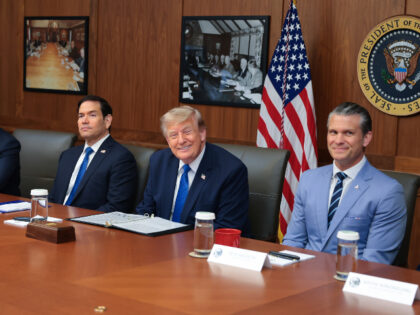
President Trump’s decision to broadcast a cabinet meeting from Camp David wasn’t just a media stunt—it was a deliberate signal that the executive branch is no longer content to operate behind closed doors. By turning what is usually a private strategy session into a public spectacle, the administration is inviting gun owners to watch policy formation in real time, a level of transparency that Second Amendment advocates have long demanded. The optics matter: when the cameras roll, every word about regulatory reform, ATF funding, or potential executive orders on pistol braces and bump stocks is now part of the permanent record, making it harder for future administrations to quietly tighten the screws.
For the firearms community, the bigger takeaway is the precedent this sets for accountability. Historically, gun-policy debates have been shaped by anonymous leaks and last-minute rulemakings published in the Federal Register. A televised cabinet meeting forces senior officials—from the Attorney General to the Secretary of Defense—to articulate their positions on camera, giving pro-2A groups clearer targets for lobbying and litigation. It also puts pressure on any wavering Republicans in the room; with donors and primary voters watching, hedging on magazine-capacity bans or red-flag laws becomes politically costly.
Longer term, the move hints at a broader communications strategy that could redefine how gun culture intersects with governance. If future presidents adopt the format, the 2A community gains a recurring platform to highlight issues like FFL compliance costs, interstate carry reciprocity, and the weaponization of the NICS system. In an era when legacy media often filters the narrative, unedited footage of the cabinet debating these topics is raw material that grassroots outlets, podcasters, and state attorneys general can mine for years—turning one televised meeting into a lasting archive of where each administration truly stands on the right to keep and bear arms.


