

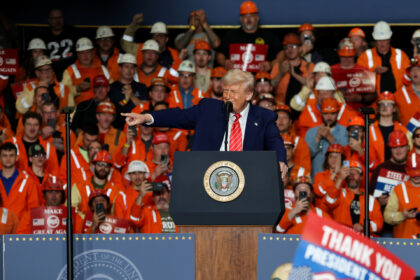
American factory workers are finally cashing in on the kind of real-wage growth that used to be reserved for white-collar spreadsheets, and the timing couldn’t be more instructive for the 2A community. When manufacturing paychecks outpace inflation by the widest margin in forty years, the extra disposable income doesn’t just buy groceries—it funds range memberships, optics upgrades, and the next generation of home-defense firearms that blue-collar households have historically kept loaded and ready. The same policy mix credited with bringing assembly lines back online also loosened regulatory pressure on domestic steel and energy, the raw materials that keep both factories and gunmakers humming without foreign choke points.
That wage surge carries a deeper cultural signal: communities once written off as “deindustrialized” are reasserting economic agency, and economic agency is the precondition for political agency. When a welder in Ohio or a machinist in Pennsylvania can bank enough to buy a suppressor or build an AR-platform rifle without financing it on a credit card, the practical effect is a wider distribution of the very tools the Constitution protects. Gun-control advocates who frame ownership as a luxury hobby for coastal elites suddenly confront a demographic reality—working-class voters with thicker wallets and thinner patience for restrictions that treat lawful carry as a gated privilege.
The longer-term implication is structural. Sustained manufacturing strength anchors communities that value self-reliance, and self-reliant communities tend to elect legislators who treat the Second Amendment as non-negotiable infrastructure rather than a bargaining chip. If the current wage trajectory holds, expect the coalition defending constitutional carry, national reciprocity, and deregulation of short-barreled rifles to gain both numbers and financial resilience—precisely the combination that turns fleeting electoral wins into durable policy.


