

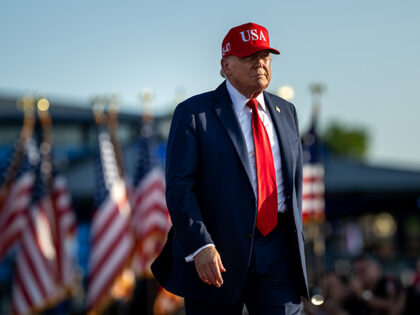
President Trump’s renewed warning that the United States can shut the Strait of Hormuz at will is more than saber-rattling; it’s a reminder that energy chokepoints are the ultimate pressure valves in great-power competition. When Washington can credibly threaten to close the maritime artery that carries roughly one-fifth of global oil, Tehran’s options shrink to two: watch its already-sanctioned economy suffocate or risk a kinetic clash it cannot win. That binary choice is exactly what the administration is banking on—economic attrition without a single shot fired.
For the Second Amendment community, the lesson is straightforward: deterrence works best when the tools of deterrence are both plentiful and legally accessible. The same principle that keeps Hormuz open—overwhelming American firepower—rests on a domestic industrial base that can surge rifles, optics, and ammunition on short notice. Every time regulators or legislators try to throttle that base with magazine bans, excise taxes, or “ghost-gun” rules, they are nibbling at the margins of the very readiness the country advertises abroad. A well-armed citizenry isn’t just a constitutional talking point; it’s a standing reserve of skilled shooters, armorers, and reloaders who can be mobilized faster than any draft board.
The larger implication is that energy security and firearm freedom are two sides of the same coin. Nations that cannot guarantee their own oil routes inevitably court instability; nations that cannot guarantee their citizens’ right to keep and bear arms inevitably court weakness. Trump’s Hormuz ultimatum shows the first half of that equation in real time. The 2A community’s job is to make sure the second half never comes up for debate.


