

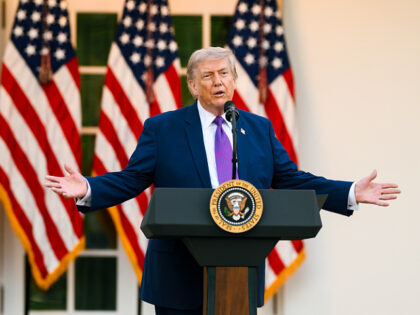
President Trump’s announcement that the U.S.-Iran deal is “now complete” and that the Strait of Hormuz is once again open for business lands like a pressure valve releasing after months of global tension. The naval blockade’s end, brokered through an unusual quartet of Pakistan, Qatar, Egypt, and Turkey, signals a pragmatic pivot away from open conflict toward energy-market stability. For the firearms community, the immediate takeaway is straightforward: when oil flows freely, the economic tailwinds that support domestic manufacturing, component imports, and consumer spending remain intact—factors that have repeatedly proven more reliable than political rhetoric when it comes to keeping ammunition lines running and new rifles on dealer shelves.
What makes this development especially relevant to Second Amendment advocates is the reminder that energy security and individual liberty are more intertwined than cable news cycles suggest. A reopened Hormuz lowers the risk of sustained crude-price spikes that historically translate into higher costs for polymer, brass, and propellants sourced from petrochemical feedstocks. At the same time, the deal underscores how quickly administrations can shift from confrontation to commerce, a pattern 2A supporters have watched play out in trade policy and regulatory enforcement alike. The lesson is to treat any single diplomatic headline as temporary; the durable safeguard remains an armed, informed citizenry ready to push back against future attempts—foreign or domestic—to restrict access to the tools of self-defense.
Longer term, the reopening also highlights the value of diversified supply chains. With Iranian crude back on the market, European and Asian buyers gain options that could blunt any future leverage attempts against U.S. energy exports, keeping domestic producers competitive and federal revenues healthy. That competitive posture matters because it reduces the political temptation to treat the firearms industry as a convenient target for revenue or regulatory experiments during budget shortfalls. In short, an open Strait of Hormuz is another data point that economic resilience and the right to keep and bear arms rise or fall together; both depend on citizens who refuse to outsource either their security or their prosperity to distant capitals.


