

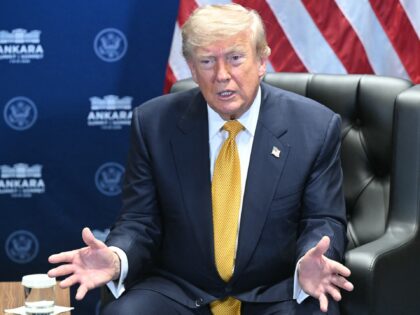
President Trump’s blunt declaration that the U.S.-brokered ceasefire with Iran is finished lands like a warning shot across the Middle East, and the reverberations will be felt in gun shops and reloading benches from Texas to Idaho. By labeling Tehran’s negotiators “scum” and a “cancer,” the President signaled that the diplomatic experiment is over and that the United States will no longer pretend a theocratic regime bent on regional hegemony can be managed with paper promises. For Second Amendment advocates, the message is clear: when the executive branch stops relying on unenforceable agreements and starts restoring credible deterrence, the long-term demand for personal firearms, ammunition, and training only grows.
History shows that every time Iran tests American resolve—whether through proxy attacks on shipping lanes or nuclear threshold games—domestic gun sales tick upward as citizens hedge against global instability. The collapse of this interim ceasefire removes the illusion that multilateral talking shops can substitute for hard power, reinforcing the core 2A argument that an armed populace is the ultimate backstop when treaties fail. Expect renewed calls from the usual quarters for renewed sanctions, naval presence, and, if necessary, targeted strikes; each of those policy shifts historically correlates with spikes in AR-platform and precision-rifle purchases as Americans prepare for whatever comes next.
In short, Trump’s Ankara remarks are less about one diplomatic failure and more about re-establishing that peace through strength still beats peace through process. For the firearms community, that shift is both validation and reminder: the right to keep and bear arms exists precisely because governments and regimes can—and do—change course overnight.


